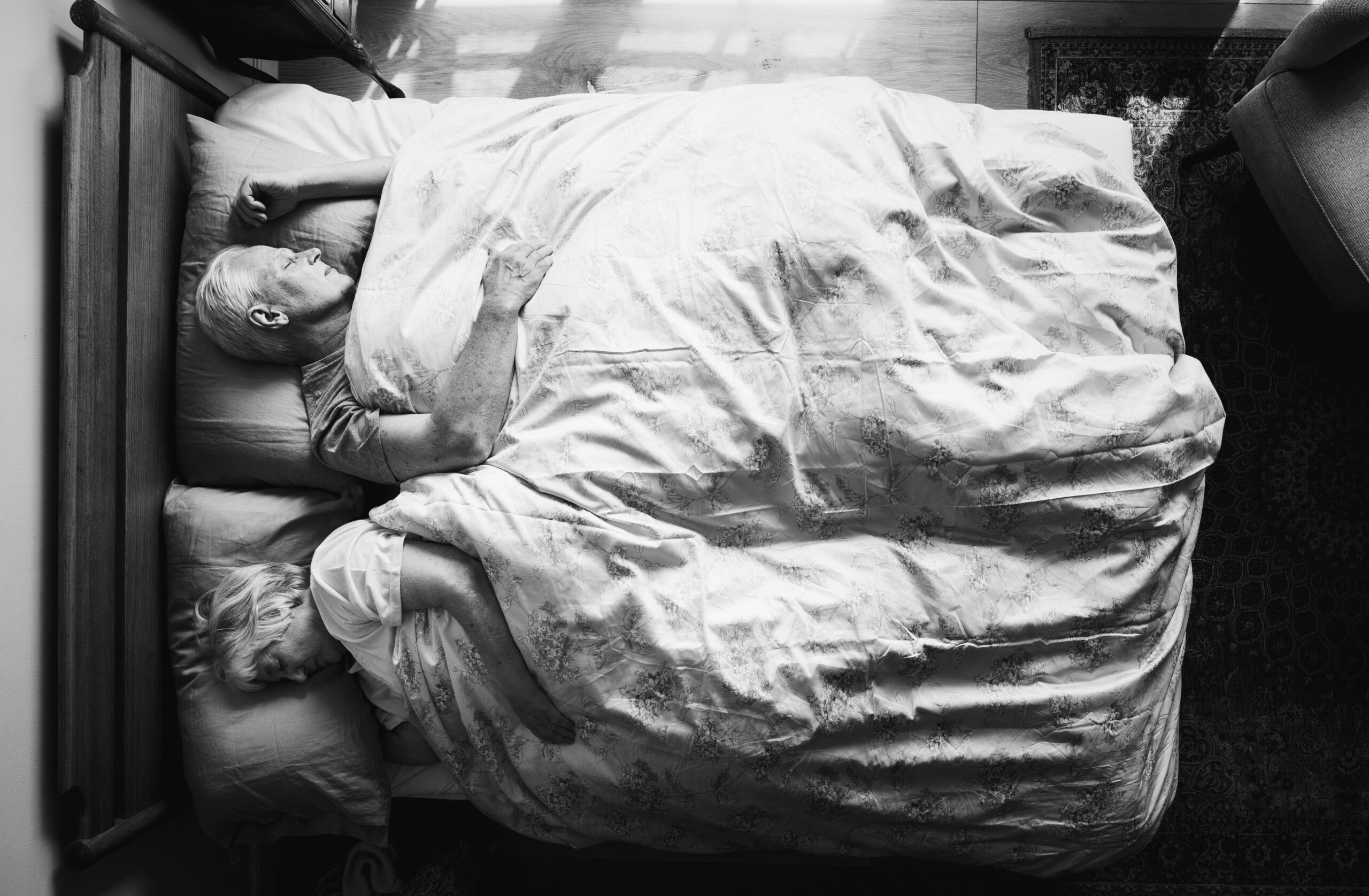
While most people are familiar with the term ‘sleep apnea’, it often comes as a surprise to learn that there is more than one type of the condition. There are actually three kinds of sleep apnea, and some are more severe than others. Here’s a guide, outlining the key differences between them.
The Different Types of Sleep Apnea
1) Obstructive sleep apnea. This is the most common form of the condition, and regrettably, it’s also the most serious. The name quite refers to the fact that the airways become literally obstructed during sleep, causing a disturbance to the natural breathing pattern. (more…)
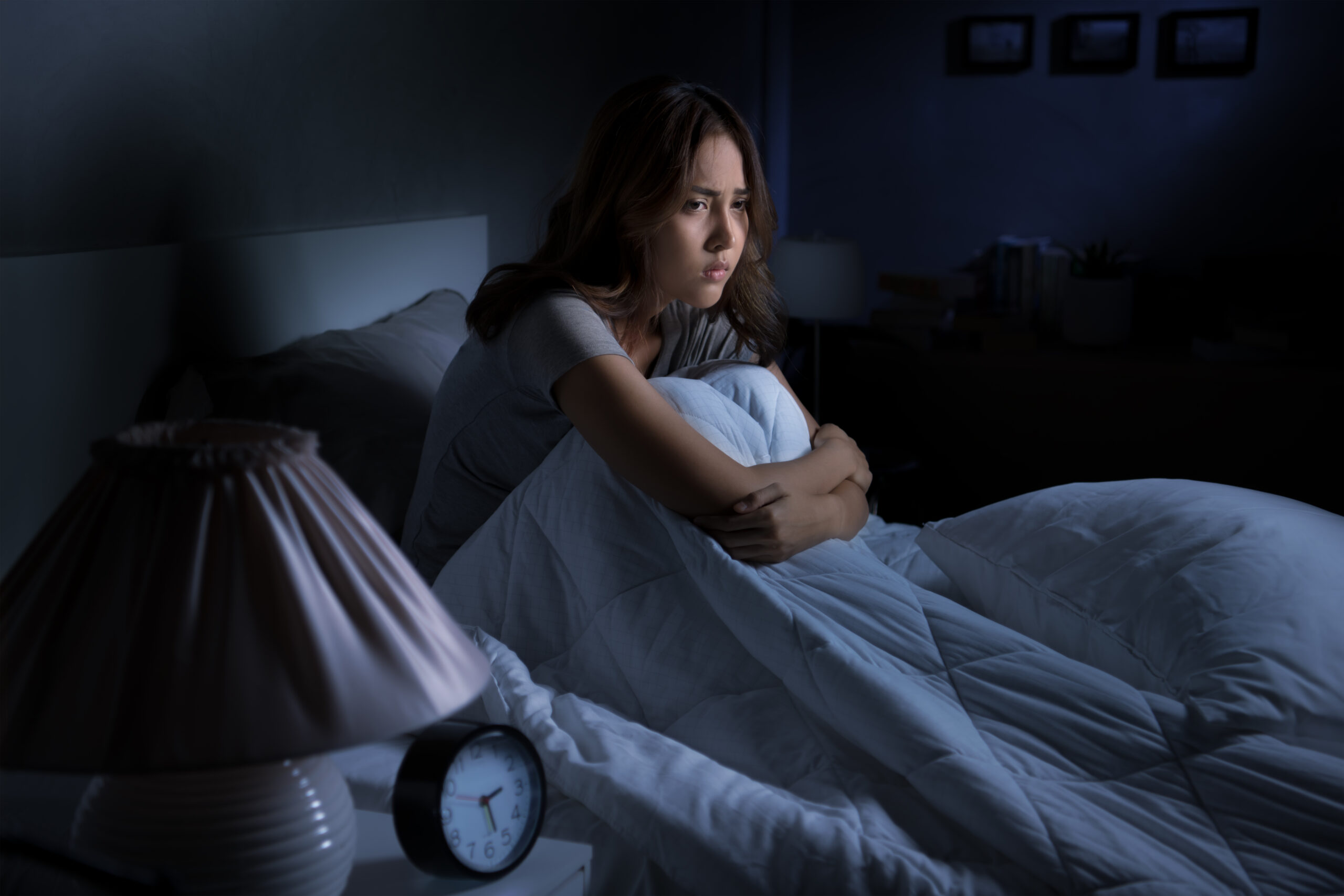
 Do you find yourself waking up and being unable to breathe? Or fighting to regain full use of your limbs? This disturbing sensation is often attributed to sleep apnea, but actually, the root cause might be something entirely different. Sleep paralysis is less common, but none the less, if you’re experiencing episodes where you wake suddenly and find yourself unable to move or breathe, this may be what you’re suffering from.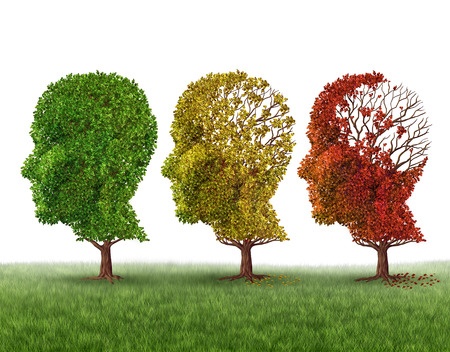
 It stands to reason that sleep apnea can have an adverse impact on cognitive function. After all, essentially, the condition limits oxygen to the brain; and many sufferers report feeling sluggish the following day, or unable to concentrate.
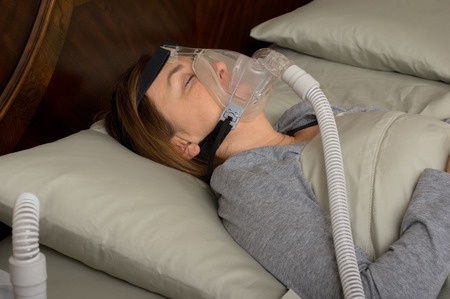
 Do you find yourself waking up each day feeling more drained and exhausted than when you climbed into bed the night before? If so, you might be wondering whether you’ve got sleep apnea, and if so, what can be done to address the problem.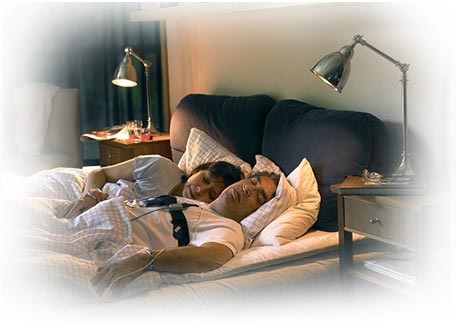
 For many people who suspect they may have sleep apnea, they aren’t aware of the severity of the condition. After all, simply waking up feeling a little bit tired doesn’t seem so serious, does it?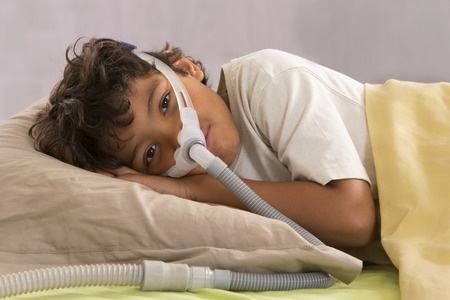
 It’s generally thought that sleep apnea is only experienced by adults. However, the truth of the matter is that many children suffer from the condition too, and this can have an impact on their health and development.
 According to a recent study carried out at New York University, people suffering from sleep apnea are likely to develop cognitive impairment, such as dementia and Alzheimer’s disease, nearly 10 years earlier than those without the condition.
 We all know that a healthy human being needs a certain amount of food and water each day to remain healthy. We also know that to stay healthy, we need a certain amount sleep each night. But, how much sleep does a person need? The answer may surprise you.