
 We all know that a healthy human being needs a certain amount of food and water each day to remain healthy. We also know that to stay healthy, we need a certain amount sleep each night. But, how much sleep does a person need? The answer may surprise you.
One would think by now, here in the 21st century, that doctors and scientists would have nailed that answer down. The truth, however, is we simply do not know, for sure, exactly how much sleep any one person needs. The reason for this is because every person is different, and has different sleep requirements. There are, however, some recommendations we can use as guidelines, and the variable in these ranges is age. How old a person is determines a lot as to how much sleep he or she needs. (more…)
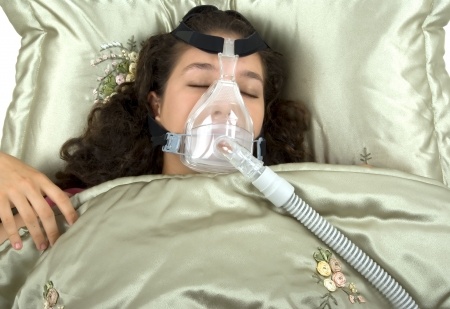
 The use of a CPAP machine is still considered the gold standard when it comes to the treatment of sleep apnea. The problem? The average sleep apnea patient is either completely adverse to its use, declining it altogether, or does not use it optimally.
 Do you doze off while driving? If so, you are not alone. You may be surprised to learn that thousands of drivers will nod off while driving each and every day. For some of those who fall asleep while driving, tragedy will happen. This can result in injury or death to the driver, passengers, or to others on the road. But there is good news for those who have this problem.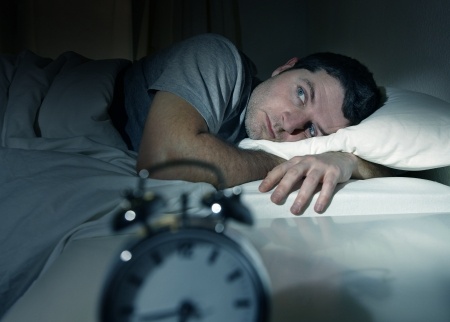
 Millions of people snore each night. This condition is not only a problem for the one snoring, but can also be a problem for the spouse or others in the house. No one gets a peaceful night’s rest when someone is sawing logs, as they used to say.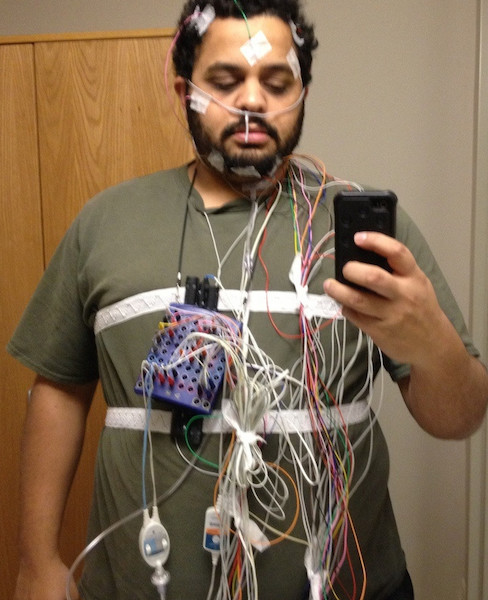
 Most people are aware when they have obstructive sleep apnea. You may find yourself waking in the night, or may feel unusually tired during the day. You might have even been told by your partner that you often cease breathing momentarily in the night, or appear to struggle for breath.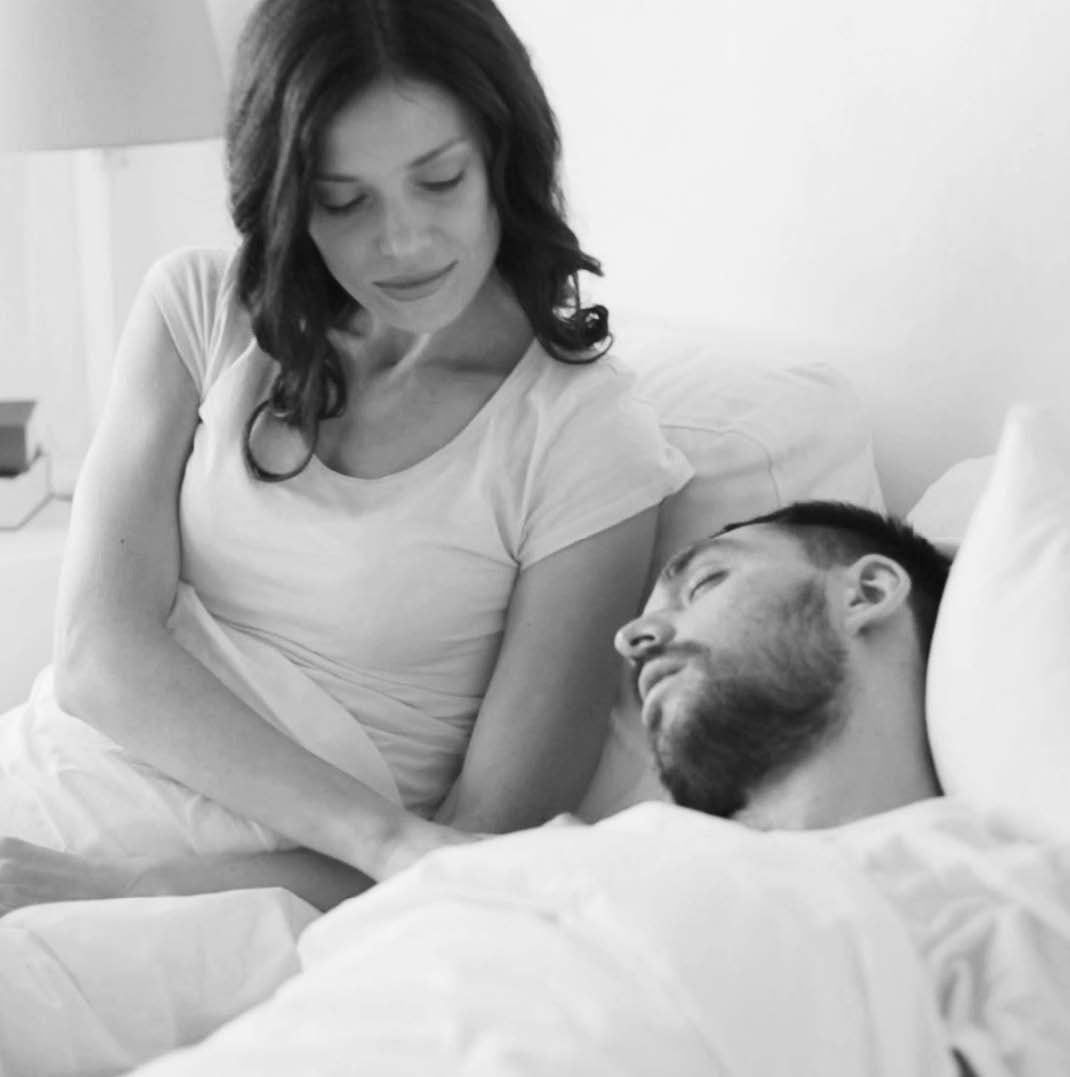
 Obstructive sleep apnea is a very common condition, affecting millions across the US. For many people, it’s a relatively minor issue; and can often be resolved simply by losing weight, or making certain lifestyle choices. However, for others, it can be a serious problem; and can have a significant negative impact on their lives.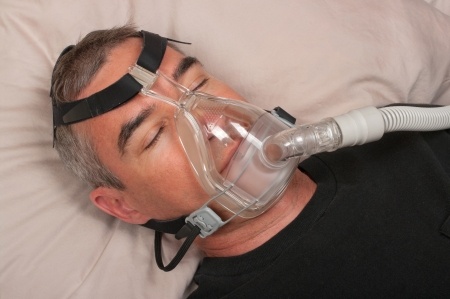
 The severity of obstructive sleep apnea varies from patient to patient. Of the 12 million sufferers in the US, many will only experience mild problems, which may not require any treatment at all. However, for those who find that OSA has a negative impact on the quality of their lives, seeking medical assistance is likely to be the most practical solution.
 OSA, or obstructive sleep apnea, occurs as a result of partial or total blockage in the upper airway during sleep. It’s an episodic condition, which means that it can occur several times during the night. During an episode, the chest muscles and diaphragm have to work harder to get air into the lungs, due to the blockage.
 There are several criteria that doctors follow for diagnosing OSA. These include how the patient reports their sleeping habits, family medical history, personal medical history, and the result of studies they may be ordered to get a more clinical overview of how well a patient sleeps. When OSA is first suspected, either by the patient or doctor, one of the first recommendations made is to create a sleep journal. It is basically a detailed accounting of sleeping habits and observations. Patients are asked to record the times they go to sleep, notes on the quality of sleep, and how they feel after resting. Important signs such as headaches and fatigue, especially after what is considered a normal amount of sleep, can be an indication of sleep disturbances.