
Through many years around the medical field I noticed that ordering a home sleep test system is inefficient and often takes people like you away from bigger tasks you need to focus on. Efficiently using your time is a top priority and I am excited let you know that we have changed the complicated process for you to order these tests from your office in a fast and easy way.
We designed the system to cater to you whether you are a physician, dentist, or even if you are new to us and you have never used us before. The process is simple, easy to complete, and you never have to wait near the fax machine, worry if the fax was sent, or worry about keeping the paper copy – our system eliminates all the headache!
As mentioned in the video, here are the three steps of the quick process to set up your own account and start today:
1) Go to our website at BlackstoneMedicalServices.com and at the top of the page you will see a blue button that says, “Online Order Form.” Once you click on that button you will be taken to the sign-up page.
2) Simply follow the step-by-step process of adding a practitioner to the system and then it will guide you to add an e-signature, or you can upload one that you may already be using.
3) Once you set up your practitioner, you are all set and ready to go! You can click on your practitioner, fill out the online ERX, and hit the submit button.
When you do that, our system creates a PDF of the completed ERX in a pop-up window and you will also get an email of the ERX in PDF format for your records. If you have an EMR, you can save the PDF in the patient’s chart.
That’s all you have to do and we will process the order in the same way as if you had faxed us the prescription. It is that simple! I hope you love the system and find that it saves you money and time like it has already for many. I thank you for trusting us with your patients because Blackstone Medical Services is the preferred choice in home sleep testing for a reason!
Time is your most important asset – go get it.
- VT
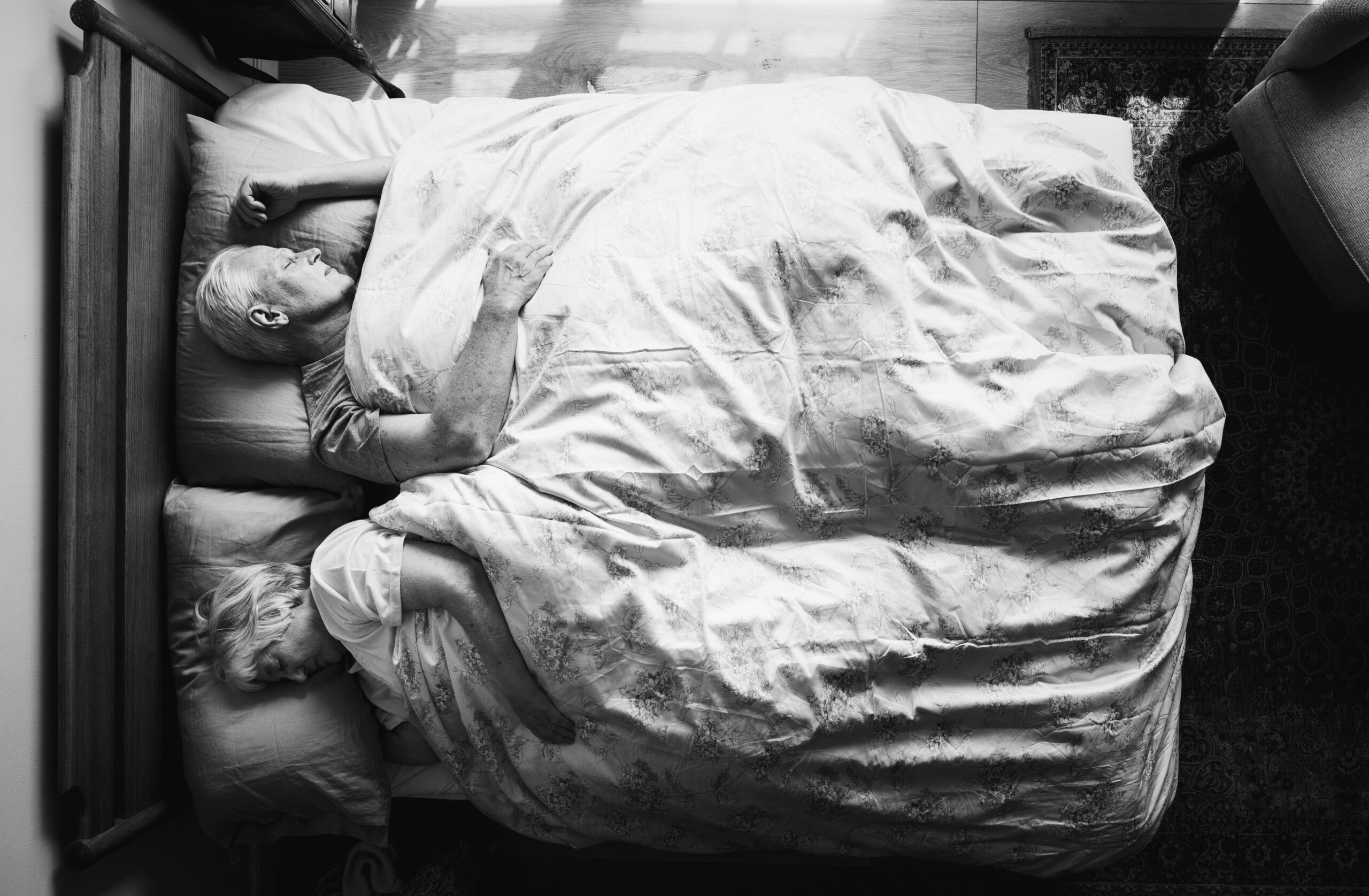
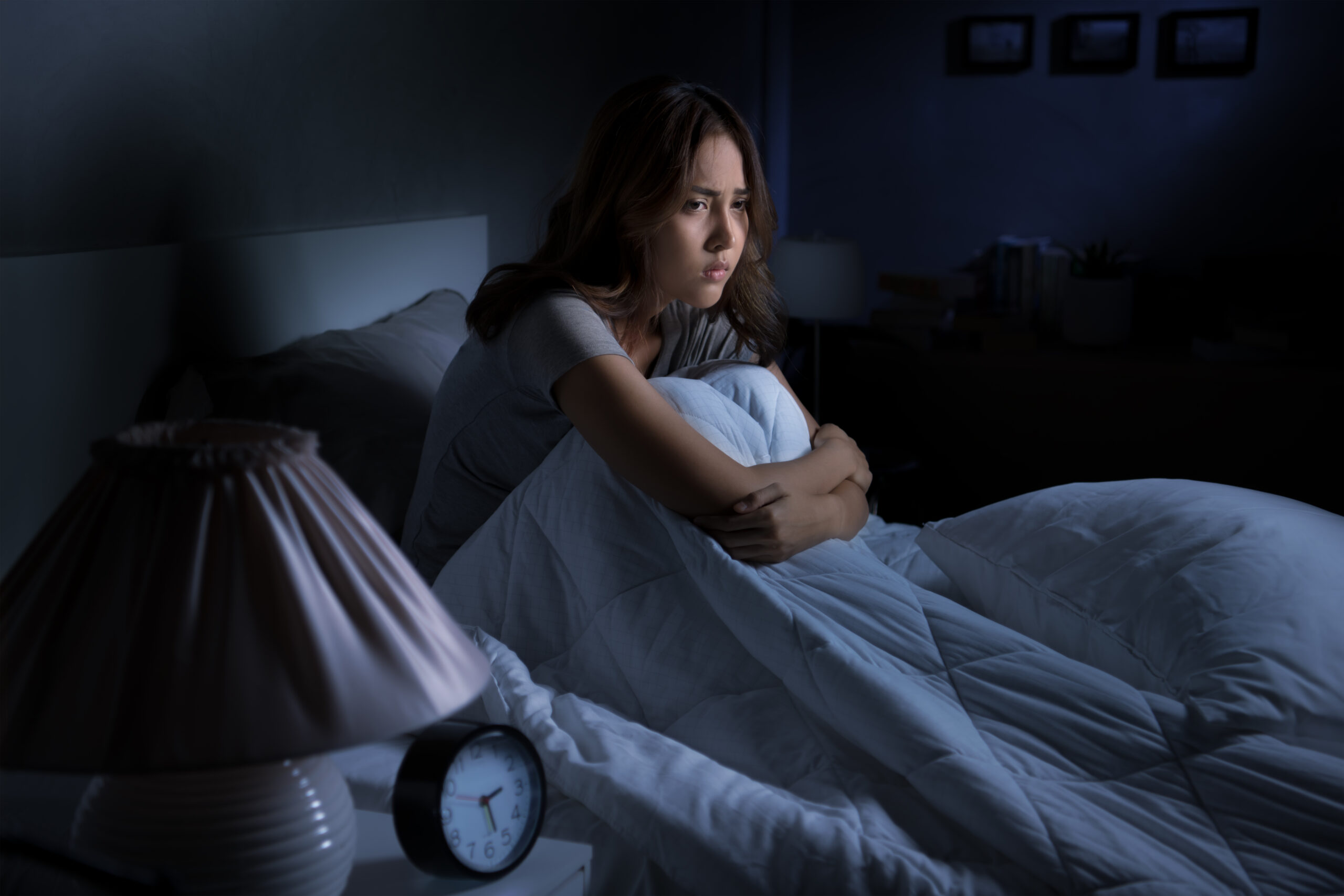
 Do you find yourself waking up and being unable to breathe? Or fighting to regain full use of your limbs? This disturbing sensation is often attributed to sleep apnea, but actually, the root cause might be something entirely different. Sleep paralysis is less common, but none the less, if you’re experiencing episodes where you wake suddenly and find yourself unable to move or breathe, this may be what you’re suffering from.
 It stands to reason that sleep apnea can have an adverse impact on cognitive function. After all, essentially, the condition limits oxygen to the brain; and many sufferers report feeling sluggish the following day, or unable to concentrate.
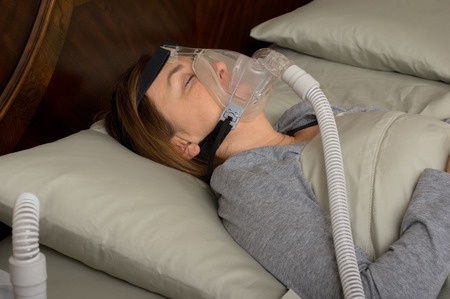
 Do you find yourself waking up each day feeling more drained and exhausted than when you climbed into bed the night before? If so, you might be wondering whether you’ve got sleep apnea, and if so, what can be done to address the problem.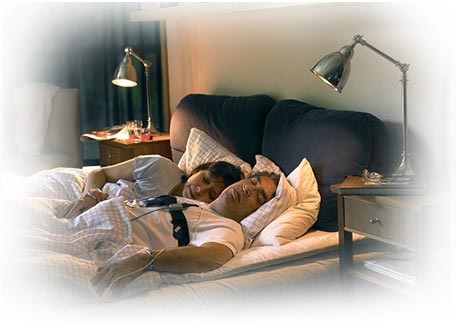
 For many people who suspect they may have sleep apnea, they aren’t aware of the severity of the condition. After all, simply waking up feeling a little bit tired doesn’t seem so serious, does it?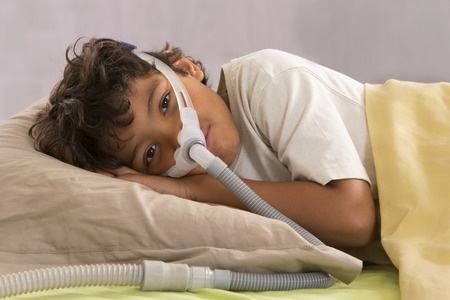
 It’s generally thought that sleep apnea is only experienced by adults. However, the truth of the matter is that many children suffer from the condition too, and this can have an impact on their health and development.
 According to a recent study carried out at New York University, people suffering from sleep apnea are likely to develop cognitive impairment, such as dementia and Alzheimer’s disease, nearly 10 years earlier than those without the condition.